Welcome to ECE Biography, Siege Wisdom for Child Care Leaders.
My name is TonyD. Augustino. I’m the founder and CEO of Inspire Care 360. In this series of exclusive podcast, we will meet with tenure and growing leaders in the child care field. Typically operating medium to very large childcare operations from tens of schools to thousands of schools.
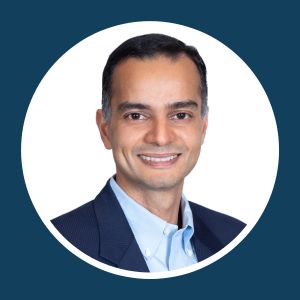
Our incentive is to learn what has been the path and traits that make outstanding leaders. Join us to glean the sage wisdom from these experienced individuals. Now, let’s get started with ECE biography, Sage Wisdom for Childare Leaders. Welcome to ECE CEO biography, Sage Wisdom for Childare Leaders. This is Tony D. Austinino, founder and CEO of Inspire Care 360. and welcome to today’s conversation. We have Anupam Martins today. Anupam Martins is the chief executive officer and member of the board of directors for Excelligence Learning Corporation. So, this is a
little bit different. We aren’t having a CEO of a child care corporation, franchise or network of schools as much as a provider who has multiple different type of organizations underneath underneath their umbrella. So I think it’ll be interesting because the influences for Anu Palm have some interesting parallels to other CEOs yet some definitely diversions that he has had in his life. Before joining Excelligence, Anupam spent nearly two decades with Proctor and Gamble, where he held a variety of regional and global leadership roles in marketing and general management across five countries in Asia, Europe, and North America, including serving as the CEO of an independent subsidiary in Vermont. Over his career, Anupam has led brand building, strategic planning, and P&L responsibilities across a diverse range of businesses from startups to joint ventures to billion-doll brands like VIX or Pampers. So, he has a significant diverse background especially in the area of leading and marketing. His experience spans new business development around and growth acceleration um through different channels from digital to omni to channel brand building and developed markets. His corporate experience is as solid as it gets. Uh you really have to hear this in this conversation where he has found his motivation and the key people that he has had in his life help influence him and his direction. So I hope you get a
flavor of that today. Anupam holds a BA in economics from St. Stevens Khali in Delhi uh University as well as post-graduate diplomas in management from the Indian Institute of Management. Outside of Exceligence, he remains actively involved in nonprofit K through2 school education sectors in India where he contributes in an honorary capacity. Excelligence, as you may or may not know, is a leading provider of educational products and solutions that empower educators to make childhood learning fun. So, I want you to welcome Anupam Martins today for this
excellent conversation. We look forward to it. Thank you so much for joining. Welcome Anupam. How are you today?
Very well. And how are you doing, Tony? I’m doing wonderful. Thank you so much for joining us on this podcast. As I’ve mentioned uh in the past, we have mostly and mainly had CEOs of child care, schools, corporations, franchises, but in some unique situations like today, uh we’ve asked Anupam to join us to talk a little bit about his role in his rise
and ascension with Exceligence and other companies before that. Um, you know, our objective of this podcast is for the leaders out there, the budding leaders
to try to learn and glean what they can from other people’s experiences. Sometimes those experiences are amazing.
Sometimes there are some stories that are told that are like uh tales of um what I could avoid, too. So with that
said, I was going to go ahead and get kicked off with something I sort of normally do, but you know, just to ask you, you know, in your very formative in
your very young years, did you happen to identify yourself potentially as a
leader in any kind of early role um or see yourself where you would lead um
others? Sure. So first Tony, thank you for doing this and really appreciate what you’re doing for our ECE community and creating
this platform wherein young leaders can access wisdom from others who have been
in similar roles and appreciate you’re considering intelligence for this as well. Great question. So I’m not sure I
thought of this as leadership then and this is an incident when I was probably
in fifth grade but I had a love for reading and my parents who were both educators encouraged that. So I had
quite a few books at home and I actually put that together and got a lot of other friends in the community together to
create what we call the children’s library wherein we basically exchange books and get together and uh we even
organized a cultural program for the community. So it was fun to have um I
guess at that stage and I can use the vocabulary now but to have people working together centered around
learning and and and um and engagement. Interesting. You know, when you think
about that, obviously it’s a long time ago. I can barely remember five years of
age. I do think I remember seeing myself in a mirror at four and having self-actualization at that moment for my
life. But do you probably realize what was either motive or the joy that you
received out of that activity? So, I think uh yeah, I I I I do because
it’s still it’s something that excites me the most. I have a genuine curiosity
and love for reading and as you know Tony if you love reading you love to talk to other people who’ve
also read what you’ve read or you can exchange ideas. So I think the idea the ability to amplify that with people
around me who’ve also engaged in that content was probably was probably one
aspect of the joy but the other one was also just coming together and doing something for the community whether it be some kind of a project or just even a
cultural program that uh helps us uh expose I guess at that time our talents to the community we are around. Okay.
Interesting. And you know, since you bring up reading so early in this conversation,
throughout your career, maybe more of your adult career, was there any books that you read that
gave you sort of, I would say, some of those aha moments you’re like, “Oh, wait. This is sort of a transformative
book that has really helped me think different about things.” I’m sure there’s possibly more than one, but what
comes to mind when I bring that up? Yeah. So there’s certainly more than one and in fact there probably 10 but if I
just have to take one I would say Steven Cavy’s seven habits of highly effective people was a very early on book and
frankly even a training that I got on to that I think has really transformed my life in terms of how I think of
getting organized around principles that drive effectiveness service community uh
principles of leadership so I I’m very very grateful to Steven Kavi for everything he’s done to to put that
together. And then there’s another one called speed of trust which is also just great from a leadership standpoint in
terms of how do you engender trust which is probably the biggest currency for leaders in any organization. Uh and what
are the principles to do that and um I had the privilege and the opportunity to actually become a trainer for both of
those. Oh wow. That the Franklin Curry Foundation used to run kind of early on in my career and
I just think when you train like all our teachers you learn twice. So I um have really enjoyed and and benefited from
that construct all through my career. Interesting. You know when you talk about the book speed of trust it’s on my
list to still read. I haven’t had a chance but I will say and that
one of the things I often so often preach to my staff to my teams to the
families that I have even with my child care schools is that when it comes right down to it one of the biggest
competencies that you can own is the opportunity to build trust with others.
When you look at building trust with others what tends to be your key philosophies in building trust?
Uh so that’s a great question. So I’m going to first give you the framework answer and then my personal answer because it’s Sure. Yeah.
The framework answer is trust is a function of character and competence. So
you need to have both the integrity in your character in terms of your commitment to the purpose and then
competence in doing what you’re committed on to do. What I translate
that into and what I do in terms of building trust is really clarity and alignment around purpose and making sure
I’m being very transparent and as clear as possible in communicating that. And then after that, it’s just kind of
regular communication so that there are no surprises. So my philosophy on building trust is no surprises, not even
good ones. It’s it’s essentially you want to make sure that people what you see is what you get. You’re always
communicating with authenticity and transparency. uh and being able to just share things as they are.
So you really are what I hear out of that is very clear about setting
expectations, very clear, concise expectations and follow through because
without that you probably have very little character as to your competency if you’re not meeting your expectations.
Exactly. Exactly. And I think the underlying principle behind that Tony is
um leadership comes to me at least from a place of stewardship right so we are very blessed to be uh in positions of
leadership but that’s because we have been entrusted with organizations with
resources with things that our customers expect us to do which is very important to to the future of the world in our
case early childhood education I I can scarcely think of anything more important than impacting early minds and
we have that stewardship responsibility to make sure we’re maximizing those resources for the optimal benefit of all
of the various stakeholders we have. So definitely our customers but also our employees, our communities and in our
case our our educators, regulators and everybody else we serve. So if you don’t
have that foundation of stewardship and integrity, it’s difficult to build trust in what you’re doing.
Yeah. And if you think about it through the years as you were likely like many
of us, we started as individual contributors in some organization and eventually rose into management and then
leadership roles. What has become the approach around
trust of sort of embedding that in your teams? So your teams had a clear
understanding about why trust is so important, the art of building building
trust through competency through character like you mentioned and you know so obviously you probably do a lot
of it just from exhibiting it yourself but is there anything you formally do
when you are com having conversations with your direct leadership team or those other team members that you work
with so I think communication around routines and being very clear and
having transparency of how the business is doing is is is clearly one practice.
So we start uh having a very disciplined series of kind
of routines and meetings that make sure that people understand what the business is. Transparency around data just making
sure that all of the the information that the organizational leaders need to make decisions is available across the
business systems that we are on. But beyond that it comes from just consistently doing what you say. So I’m
going to give you one small example. An area that I’m really passionate about is is building great workplaces. So we have
now for four years running across five states that we operate in being being recognized as a great place to work.
Right? And that’s something that’s important to me because that reassures me that we are unleashing our team’s
fullest potential in service of our mission. But the way we do that is we do an organizationwide survey and we trans
we transparently share the results of that survey with all of our leadership and ask them to make specific action
plans in terms of what it takes to address that. And the reason I’m sharing this is because this may be relevant to
a lot of our EC leaders, right? So and and based on again what were our areas of strength that we need
to build on, what are our areas of opportunity that we need to develop and then we don’t leave that at that level.
We then go back to the teams that filled up the survey and the business leader or the function leader and I typically then
literally go back to them here is our thinking on our action plan on what you said. again my HR leader and I read
every single verb item of that feedback and uh and then we check for is this
what you said or is there anything else you want us to do. Tony as I work this through every organization I typically get more than a
hundred different ideas of what our teams really want implemented and then
we capture them and then we implement them. What that does is it just creates a higher baseline for next year in terms
what you need to do. But it builds incredible trust because most often what our teams want more than anything else
is to confirm that their leadership is aware and listening and responsive to
what they need to succeed in their roles. Yeah. No, I think that’s excellent. And I think the important elements that you
were talking about is the responsiveness of getting back to the teams because
what I’ve seen before whether I was a contributor who was surveyed or I was the leader and maybe I made the fauxpaw
of not getting back with them is they will lose trust quicker for you if you
do a survey and then you don’t share any of the results or the actions you’re going to take from it.
Absolutely. And what that does is it then reduces the incentive of them giving their time again the next time
you ask that survey. So one of the metrics that I measure is not just what scores we got in terms of total
engagement but also what percentage of the organization participated and I want that to increase every year as well
because that reassures me that all of our team believes that we take this seriously right that we action is going
to come out of it. Well, and you you know, you’ve mentioned measurement a couple times, so you could tell I I like
to pull at threads, you know, and I I will unwind your sweater eventually.
But, you know, I I think it was Peter Ducker or maybe, you know, Edward Deming who
said, um, you know, that what cannot be measured cannot be managed.
What gets measured gets managed. Yes. Yes. So, that’s the reverse of it, right? that what is measured you know
can be managed and what have you. What tell me a little bit more about your philosophy or your thought process
around measuring and putting in standards of measuring against expectations of building trust. So I
know and I have to give a little commentary on it a little bit too is I love to tell to my team people love
to be empowered yet they do not often like accountability. So part of my
philosophy is hey listen there’s great empowerment opportunities with this but you also have to be accountable to what
you’re empowered for. What tell me a little bit about your philosophies there. Yeah so I as you can imagine Tony the
number of times I’ve said measured I’m quite sign quite datadriven and quite metrics driven and one of my
philosophies from a work standpoint is to create an intellectual meritocracy where data wins over opinion. So you
need to make sure that you have that accurate data that can trounce opinions because otherwise it’s kind of the higher paid opinion winning in
arguments, right? And then that’s not that’s not a fun place to to to have people grow their careers. But then it’s
about having clarity on what those metrics are. So obviously as part of our stewardship role, we have some basic
metrics that we need to deliver on in terms of topline and bottom line that helps us continue to pay pay the bills,
continue to grow the organization. But then there are lots of others and for me net promoter score for example in terms
of where we measure our customers satisfaction from us benchmark versus our competition is a very important
metric. We we get these surveys on a weekly basis. We we we consolidate
review the data on a monthly basis and every single feedback or comment that we receive from our customers is something
that we take very seriously. The entire team has visibility to it. I get that typically over the weekend and by Monday my teams are already responding in terms
of what specific feedback our customers have given because being responsive to the needs of your stakeholders
particularly customers is one of the primary reasons we are in business. So me measuring. So that’s an important
metric. I also look at u from a business standpoint since we sell products that a
lot of our early childhood educators as well as elementary educators buy. Their feedback that we receive in terms of
ratings and reviews as well as any feedback we receive on quality is something we take extremely seriously.
So the reason that’s important is because my organization knows that those are metrics that our leadership is
reviewing. It just drives a lot of clarity of purpose and urgency around making sure that those metrics are the
best that can be that they can be and that we’re not only just driving for topline and bottom line, but really
making sure that our customers love the experience they’re having with our products, that we’re taking our quality very seriously well beyond kind of
industry and regulation benchmarks because what we do is so important to to
to our future, to our children. Absolutely. No, absolutely. And I think it’s it’s it’s awesome of you know the
degree of engagement that you have at your level to your team to ensure to see
it through because quite oftent times it’s you know I’ve seen a lot of it being just delegated but not really
driven at the upper levels sometimes. Yeah. And I’m going at the risk of repeating myself to me the
organizational survey metric on both number of participation as well as engagement rates and then the by
breakdown across people culture all of those metrics that’s another super important metric that I hold myself
accountable for and the simple way I do this is again going back to Steven Kavi we have this construct that we call five
priorities which is basically five important things that you that you align on as a company and again this I’m
sharing this because this is probably also relevant to early childhood leaders. I think the first of those five priorities is a core business metric. So
it’s top line, bottom line, whatever those core business metrics are across segments. The second, third and fourth
priority for each individual contributor or each business leader is their core functional metrics. So it would be
products for merchandising, it would be sales and those activity metrics for sales, marketing metrics for marketing.
So those are the three functional metrics that everybody builds on to and then the last one is an organizational metric. So for me it would be the the
continuation of the great places recognition or the work we put in to drive high engagement workplaces but
also for each individual contributor it’s a commitment that they make to their own personal development as to what are they going to learn on in this
year and we capture that as a metric that we track. So we do this annually and and review it as as often as needed.
But everybody should have one an overall linkage to the company’s business metric. Three functional contribute
functional specific metrics and then last an individual personal development growth priority. And the idea is that’s
kind of your contract with the company. That’s what clarifies what you’re doing, what your function is doing, what your
business is doing. And I start by creating mine first at the start of the year. Cascade that to my leadership
team. They then work that in terms of what each function is going to do to deliver the overall my metrics because I
align mine with the boards and that’s how everybody in the company basically gets is singing of the same sheet so to
say in terms of having that consistency of metrics and accountability that is important to deliver the the results
again because what we do is really important for our children. Yeah. No and that’s fantastic. Thank you
for the detailed answer on that. You know before I want to go in a different direction I do want to ask you one more question about this. And it really it’s
something I think a lot of um you know uh aspiring leaders run into and that is
they find that they have some very talented people in their organizations and this happens a lot actually in the
child care business yet that person doesn’t align with the kind of metrics
that you’re trying to achieve. So, you know, quite often times in the child
care industry, there’s a lot of hiring within you. You have it’s tough because
a lot of people come into this industry and it’s a way point for them for a different career. So, you’re always
trying to attract the greatest talent to stay with you in this industry. When you
run into something of that nature where you’re like, now here’s a talented person, but man, they just miss the
metrics. You know, they miss the metrics. And sometimes you you still need to manage by the metrics as we say
right what is your philosophy or thought process when you see talent within
someone but it’s not aligning with metrics yes I think that’s a great question and first I have the deepest respect for
everybody in our industry because again I came from a family of educators my wife’s a teacher and I completely
understand that not everybody is equally driven by the same metrics so I think it starts by making sure that the metrics
don’t start by something that’s top down but sometimes something that they come up with themselves. So I come up with
mine and then each of my team members comes up with theirs and it’s important that they own and drive that metric
because it is important to them to accomplish what they think is their contribution to our business.
Right? So starts from there it makes and again it all needs to go back to that purpose. So maybe I should have started
with this but the purpose of intelligence is to empower educators to make childhood learning fun right that’s
what we do so everything then needs to go back to that overarching purpose about how what
we are doing whether it be somebody new in new product development working with teachers to come up with great new
products or somebody in merchandising making sure that they are at the right price at the right quality at the right
uh assorted assorted the right way. So that’s so those are kind of specific
submetrics that come from that overall goal. So if there is buy in at the earlier stage and is something that they
have created it becomes a bit easier to hold people accountable to them. Interesting.
But if it isn’t then it’s a question of whether this is a will issue or a skill issue right skill issues are easier to
navigate will issues are harder to navigate right. So so that’s kind of where it then the conversation goes
which is okay can I enable you? Can I empower you? Is it training? Is it some help that you need to be able to problem
solve to help you get to the goal that we need to get to or do you not think it’s important? In which case, we need to have that discussion of why have you
put it in the first place or anything else that’s preventing. My personal experience, Tony, has been
that my organizational challenges have been less about people not wanting to
deliver on the metrics, but not understanding how to do that. And and that’s where just helping on the how
really helps and having those informal coaches, mentors, those additional training opportunities that you can
provide. I we invest in a very significant learning management system to make sure that our teams can get the skills they need when they need it.
Those would be kind of imperatives to think about. That’s that’s fantastic and I appreciate that and I I appreciate the learning
management part because that’s something that we do. So yes, I we agree with that uh fully. But I think it is um great the
way you mentioned about getting the person aligned to those metrics because oftentimes they may not even understand
how to get there themselves and helping coach them and mentor them. And that sort of gets into my next question
that’s going away from this is you know you mentioned about your two parents who were educators uh when you were young uh
and what an influence they had on you in addition to them or maybe we can focus
on them too. Who were influencers in your more formative views that really
helped influence who you’ve become? So by far and out the most formative
ones were my parents um particularly because of who they were and what they did. So just very briefly my father was
a they were both teachers. They were both actually college teachers and my father left his college teaching job to
start a school an elementary school which essentially in in the Indian
context admits children at age three because he believed it could only make a difference to kids when they were that
young. So my younger sister who’s six years younger than me, she was the first student of that school. So that’s
Oh wow. That school started when she turned three and she she graduated from there. So but seeing him build an institution
from scratch and the tenacity and the perseverance and the discipline that that takes combined with the integrity
and the high values that he exhibited while doing that was a huge inspiration and to compliment him my mother who
continued to be a college teacher because again when somebody’s starting an institution somebody needs to pay the bills as well. So she continued teaching
in the college but she really supported him through it and she brought a very different aspect. So there was all of
she they were both great teachers. So I grew up with a lot of their students all around us at home. A teacher’s house is
always like an open house. So just seeing the impact that they were making because of just the quality and the love
that they brought to their profession just reinforced in me the importance of whatever you do you need to do it with
quality and love. Right. So that that was that was they were great educators. My mother was also a literature in her
own right. She wrote poetry. She wrote she wrote articles. But she also had
this incredible way of communication that built on compassion. And one of her
favorite constructs was you can have a difference of opinion but you should never have a difference in your hearts
and just that you’re always communicating with sensitivity. So she was a social activist. She worked for
women’s um rights issues in in the small town that I grew in. And so she had a really wide gamut of social activism,
education, supporting the school. So growing up in that environment and they were both both aid readers as well. So
just kind of embibing that was just a a blessed childhood that I just cannot say
enough of. But then because of them being educators, we always had lots of teachers. But I also coming to our home.
But I also had some great teachers that I learned from. Um that that was a great in great positive influence. I had a
Catholic priest who was a family friend whom I learned a lot from. My grandparents used to live with us. I had I just learned a ton. So I was I feel
very blessed and fortunate to have had that upbringing wherein we had so many different incredible role models to
learn from. Wonderful. And you know you talk about the role models the Catholic priests
some other teachers. Is there a teacher maybe it is the priest who stood out to you and what they really embedded in you
that has helped you develop to who you are today? So yes, there is one and I I share this
because I I think I mentioned to you that my father started the school. So I still talk that to our to our teachers.
There was a elementary school teacher, I’m talking grade five, u in a more
conventional kind of chalk and duster kind of environment that that education was at that time and still is in many
places. And she was teaching photosynthesis and she actually got she actually got in
our classroom in grade five. It’s the first time we’ve seen it at the entire setup with a beaker, a test tube, hydra,
and and literally showed us how oxygen how how oxygen came into that test tube and did that experiment just outside the
corridor in the classroom. And that peaked curiosity towards science for me that frankly has just stayed for a very
long time. I ended up pursuing science in in high school and uh and just had that had genuine interest in that
because of that demonstration that went beyond just the classroom teaching
aspect of it. So whenever I saw teachers go out of their way to do that, that’s the memory that comes to me.
Wow. It is amazing sometimes when you look back at that and it can’t help but smile too because you look at the level
of influence that they probably didn’t even realize that they had on you all these years later they’re being mentioned in a podcast, you know.
Exactly. Yeah. So it it is awesome. So moving forward a
little bit in your career, you know, uh what was you would say was your first
leadership role and and I sometimes differentiate that from management role because obviously there’s a difference
between leading and managing but maybe when did you identify in some level of
management that you really needed to inspire people and that’s where I would
start to go towards leadership. I think the first leadership role the way I think about it is when you start
leading people right so when you move from the individual contributor part of your assigned tasks to actually start
leading people and that for me happened a little over 20 some years ago when I started managing a team of people and it
was a very interesting approach because I had interpreted Tony the golden rule to mean treat other people as you would
like to be treated and my first experience and this was I was managing um a team of people in the Philippines
uh which is not where I grew up. So it was slightly different culture obviously from from where I grew up in India and
my genuine approach had been hey everybody’s ambitious and everybody wants to get on the fast track to
promotions and so on. So I took I said okay here is what I’m going to do and here’s how I’m going to help you get
onto that fast track to promotion if you if you work as for this. And the the
first direct report I talked to and I’m still I’m still in touch with them. I’m a godfather to their to their kid.
Oh wow. Is was was they shared with me that they didn’t necessarily want that and they’d
rather I just be available to them, chat with them, ask them how their weekend went and invest more in the relationship
side because career ambition wasn’t the most important thing to them at that stage. So that was an important
leadership experience because that changed my definition of the golden rule to treat others as they would like to be
treated, not as you would like to be treated. And that I think is the is is just a is a leadership lesson I’ve
carried on since my amazing time in the Philippines. Wow. Interesting. And you know I think
it’s it’s sort of profound right you know is changing the the standard golden
rule about you know treat others not as how you would want to be treated but actually understanding how do they want
to be treated you know which is very prolific honestly in a way. Um, when when I look at that
and I look at you ascending, there had to be times where you made some missteps.
Okay. Is there anything that resonates with you that was a learning that you went through that maybe you’re like,
“Oh, wait a minute.” Yeah, I might not have gotten that one wrong, but I’ll tell you, I certainly learned from that.
Oh, no. I got some things really wrong. And I’m let me and I’m happy to share about them as well, just because again, my objective is to make sure your
listeners learn from those. So as as you grow in leadership, I think more and more of what you do is resource
allocation, right? And you’re managing resources to multiple priorities and multiple stakeholders across your
customers, across your employees, across your shareholders, across your investors, across your in terms of the
importance things for your community, for your regulators and so on. And my single biggest leadership misstep that I
learned from was if I prioritize one at the expense of the others and it’s
balancing them. I’m going to give you a tangible experience. We were I I’d taken over a business in one of my first CEO
roles that was fairly fairly challenged from a business standpoint and we had to make we had to make cuts and it was
recommended to me and I agreed to it that we should cut our employee engagement activity budget. So one of
the things so we so we decided to make a cut there and honestly that cost me so
much more in morale that I needed to rebuild versus the few few hundreds of dollars I took away from employee events
that I learned that regardless of however tough a situation you’re going in for going in through you never cut
employee engagement. There’s there’s genuine magic in how people bond
together over shared activities over food. You never take that away. You never take that away. And culture and
consistency of culture is even more important when you’re navigating a challenging situation or or a turnaround
than when things are really good. So that was my biggest lesson. Never never never prioritize in that case the the
needs of say the the business return over what was what was needed for employees.
And what did it take you to do to recover from that? uh put together exactly what I shared in
terms of codifying my philosophy of being people centered through this great places process. So we started by
understanding did a baseline survey transparently and not unexpectedly did not receive the recognition in the first
year but got a list of things to work on and plowed through that list so that the next time we went we actually got the
recognition and this was recognized as the best place to work in that state as well. That’s fantastic. That that’s awesome.
And it’s a it’s a nice feather in the cap as they say the cliche goes. So when
you look at your role today, what is your favorite part of what you
do? So my favorite part of what I do is co going out to the to to our customers and
seeing them in action with with children and um you know it’s it’s the the most
beautiful moment is when you go into an early childhood center or classroom and with with a center director or a teacher and a child just comes and unexplicably
hugs you right so because that’s what that’s what our teachers experience the whole time right so that is probably the
most most beautiful part of uh of what I enjoy personally Uh in terms of um what I like about my
job, it’s about the impact we’re able to make in terms of serving educators. Education, as you know very well, Tony,
has changed so much even in the last 5 years after COVID when we’re navigating a different challenge every year and being able to be at the forefront of
working with a team of extremely talented and committed individuals to serve that se to serve all of our
teachers with new and different products that meet all of the challenges that they are dealing with. Whether it be behavioral challenges with children,
whether it be calming needs, whether it be addressing achievement gaps and just coming up with those solutions that can
help them become better at what they do because of what we enable them with. That’s deeply personally meaningful to
me. Yeah. Well, that’s great. And I do appreciate your first one for sure because with my child care centers, you
know, one of my biggest pleasures, I almost have to say it. If I’m having a a bad day almost, I like to go there. I
walk through the classrooms and I’m getting hugs. I’m getting high fives and I’m like, you know what? I’ve reminded
myself of my why, right? Exactly. You know, I’ve reminded myself of my why. And I think as leaders, we have to
do that often because we’re all just people and sometimes things just don’t work out perfectly some days. So, it’s
great to be able to take advantage of that. When when you look at your teammates and your staff,
obviously to be successful as you have been, you have to hire talent. And to
hire talent, you’re looking for traits, I would assume, that cross the different
operational roles that they play. You know, from anywhere from, like you say, marketing to HR to operations to
logistics, sourcing, all those different things that you do, distribution, sales. What are some of the traits that are
really important to you when you are recruiting and hiring which I think is for me one of my most important jobs as
a CEO? Sure. Great. That’s a great question again. So I I’d start by assessing fit
with our mission and what we’re trying to do and some kind of a genuine interest in our space. Right? So just
because of how unique education is and I’m sure every field feel feels the same. I’ve worked in other fields that that may claim the same but there has to
be some genuine interest in our mission right in this thing of empowering educators to make childhood learning
fun. So that’s a that’s a baseline check. Beyond that, I look for I would
say four different areas to just get comfort on. Do they have leadership
experience? Right? So do they when I say leadership, can they envision? Can they energize? Can they enable? Can they can
they empower and execute? Right? So can they can they get things done? Right? So that’s that’s and I just just ask kind
of what are you most proud of just as a heristic to understand what they’ve accomplished and what they’re proud of.
We are in a tough business in some cases. So I look for some evidence of problem solving as a skill because I
think uh if there’s anything we’ve learned is we’ll have different new and different challenges and problems to
solve. So how do we make sure that uh that that there’s an understanding of problem solving.
I also look for people who have evidence of teamwork because we are a team sport right. So excellence is a team sport. If
you’re just an individual contributor and don’t like working with teams, you can be really successful elsewhere but
probably not with us. And last but not least is is agility, right? So which is your
ability to pivot and because if there’s anything we’ve done in the last several years, we’ve basically pivoted from one
need to another of educators and people who just don’t like change at all but
probably also not thrive in in the environment we operate in. So that combination of again purpose and lead
purpose alignment, leadership, problem solving, agility, and teamwork is is probably what I look for when I’m
looking for recruit people to the team. Well, and I I appreciate that because I know that a lot of the people who are
out there who listen to these, they’re always, you know, looking at the quality of the talent they’re trying to bring on
board to motivate them, to inspire them, to energize themselves, too. But looking at what the traits are are super
important. You know, I like to hone in a little bit on the agility side. You know, when we look behind you, we have
one larger corporation with five pillars of entities that hold it up. As you
continue to grow, my assumption is because I’ve I’ve been in small
corporations, my own private businesses before. I’ve worked for Ernstston Young, been with you know Xerox Corporation.
The larger they get, agility sort of gets lost sometimes in the mix, the bigger you become. How do you fulfill
the ability for Extelligence to have agility and what they hear from its customers, what you hear from your
staff, what you hear from what you think you need to react to the marketplace because as you start to become larger, I
would assume it becomes a little more difficult. Yeah. So I’ve I’ve worked in significantly larger businesses in the
past where that was definitely true, Tony. And one of the things I love about Extelligence is what I call our effort
to impact ratio, right? So we are large enough to have significant impact without needing a lot of effort from a
process and a bureaucracy standpoint. And that’s what we really try to to make sure. So I think the fundamental
question on agility, Tony, goes back to being responsive to customer needs, right? So we are not agile and we don’t
want to change for change’s sake but we want to change because we are making a fundamental difference to what our customers are asking us for. So it comes
back to how close you are to that feedback from your customers. So that’s why I was talking about net promoter scores or being in the in the market
visiting customers listening to what their needs are listening to our teacher developers what they are hearing and
seeing in in in the marketplace and then making sure that you’re bringing that data from a process standpoint back to
your leadership and saying okay given what we are hearing right now what do we need to do to change I’ll give you an
example of just navigating COVID right so as you know it happened during March wherein we had a lot of our products on
on a on on its on a ship on its way to us and then schools shut down and for the next few months there was a need to
transform what we had in our warehouse to at home supplies. Then as schools
started opening it was no share supplies and then as schools reopened at more scale it was okay back to the the the
gallon uh units of of paint and and larger paper and so on so forth in terms of what we provided to the schools. But
being close to the customer feedback and communicating that almost instantaneously to your teams helps
everybody understand what they need to do because no one person can can can run
a company of this scale. Right? So it’s not about it’s it’s about leveraging the collective intelligence of everybody
looking at the same customer landscape and then making the changes they need to in each of their functional areas to
collectively come together to a solution that helps keep us at the forefront of what our customers need. interesting.
You know, as you discussed those different elements of it, it it started
to percolate in my mind a little bit of the uniqueness of a few of the different
brands you have behind you are product driven. uh they’re not all like Frog Sheep is a softwarederiven company, but
the fact that they’re product driven, you know, outside of the politics, how will tariffs affect you, but also the
child care space to a degree, if you don’t mind me asking, because I know that’s got to be top of mind for some of
the things that are made domestically, but other things get imported, and they always have been.
So without getting political I think we will know better when we once we know for sure what the tariff landscape is
because as you can imagine it’s been evolving right so uh but I think in in almost all cases what what I see across
is everybody’s making as much of an effort as they can to keep cost
increases to the bare minimum right because we want to make sure we we we are supporting our customers through
what’s already a pretty challenging external landscape but at some stage it just becomes too hard to do that and
that’s where you we’d be looking at different alternatives in terms of are there products that we can source
elsewhere. Are there products that we can we we are fortunate to have children’s factory as one of our
vertically integrated softplay manufacturing solutions. So there are is there more manufacturing capability we
can bring? We also manufacture some of our own uh colorations products. So bringing that bringing more products
inhouse has been something that our team has been again in the spirit of agility pivoting to because depending on the
tariff landscape there’ll be different solutions that help us minimize the impact to our customers. What we are
really committed to Tony is making sure that we make no compromises on quality because again what what we do is very
important but also minimize any cost impact to our customers is that’s that’s how I see us solving this in the medium
term but we we’ll just need a lot more clarity on what the going state is because you can then solve for that to
make sure take the most optimal solution. Well, and it’s tough when it’s a moving target, right? Because, you
know, planning for a moving target has never been easy. You know, ask anybody in the military. But with that said, you
know, the when you look at it, I was also thinking, you know, different um
CEOs and leaders I’ve had on before were able to give data points on the child care industry based on enrollments, uh
based on churn, uh when it comes to families coming and going, slowing and
increasing. You have a different perspective, right? you’re watching not only child carees but also probably
public schools, charter schools, other entities who acquire from you. What do
the data points that you see sort of indicate where we are as well as where we might be going and more often in the
childare industry but you know in the overall education industry where where do you see those data points lining up
and saying you know what’s going on? Is there expansion? Is there contraction? you know, is there a flat level right
now? So, I think um I take it at two levels. I take it kind of short to medium-term
and then long-term just because the two are a bit different. I think the short to medium-term outlook is honestly a bit
turbulent because there are just lots of unknowns in terms of how some of the immigration policies impact enrollments,
particularly in the early childhood space. I’ve met some of our customers who were talking about enrollment
impacts even in infant and toddler classrooms which which is slightly more unexpected than for example prek
classrooms where in particular segment there is a there’s a move to UPK and so on so forth. uh in K5 there’s generally
a trend where in public sector and public school enrollment has generally been on declining to not growing as much
because of the move to more choice-based platforms whether it be charter schools, private schools or even homeschooling
which is growing quite substantially as a trend. So in the medium term there’s going to be some of this this churn as
more school choice increases as u the the population growth and the the impact
of the immigration policy settle down. But here’s what my favorite story on child care and why I’m such a huge
believer in this space is if I look at again going back to the story of of
where where my parents started the school in in India at three you pretty
much at at age three pretty much enter school right it’s it’s three years of kindergarten and then you get to first grade the number of children in
structured child care at age between ages 3 to five in the US depending on which survey you go for is between 40 to
60% even after the recent increases of universal prek that number for OEC for
the OECD countries which is our kind of comparable benchmark is more than 90%.
Why is that? Because everybody understands that as we as we share in our frog street kind of curriculum work
with c with our with our customers that 80% of a child’s brain develops by age three and 90% by age five. So the impact
you can make to child development by having that early intervention between age three and five which is fortunately
a bipartisan priority that is now that is literally across the aisle and therefore there is more UPK expansions
going that is going to make a significant increase of the number of children say if I if I just take total
broad numbers about the 43 to 45 million children among 0 to 12 today about 30 32
of them are in any in structured childare because there’s this huge area of 0 to 5 that is not covered and more
and more of those kids will have the opportunity to experience child care and education at a time where it makes the
biggest difference to their development. That’s where I think the long-term outlook for us for our space is only
going to be super positive and growing. Right. Interesting. And do you think
that when it comes to the opportunity for growth in this area, what do you you
know, you mentioned UPK a number of times. What do you think that’s going to do of
having an impact on the child care industry? Because we’re actually uh you know, addressing it here in New York
State. New York State has UPK, Florida has you know VPK. There’s a different number of programs and it seems like
there is a desire for the states through the department of education to get into
the child care business more and more. Do you have a bigger flavor on how you
see that will affect the independent providers in the marketplace? So I think this is where it gets a bit
more nuanced and it gets state by state given the education in our country. Right? So uh there are some states that
believe in building capacity in the public segment by having elementary schools add pre-k classrooms and in
those states I think some of the private providers are seeing a little bit of a shift of enrollment particularly at the
prek levels to the public segment. There are many other states that are actually choosing a a very different route of
actually creating voucher type programs to to pay for capacity in the private segment or models of public private
partnership. A lot of head starts for example also have capacity in the private segment as well. So I think
depending on state by state there’ll be a slightly different outlook of choices that each state will make in terms of
how to expand UPK and and that and that’s also what our I know a lot of our customers are planning in terms of
expansion in terms of which states do they see more capacity coming online because of uh the state paying parents
to choose which private provider they’d like to get their UPK education from. Yeah. Okay. That makes a lot of sense
when when you do look at um you know again sort of the marketplace and we
look at leaders now because part of what I’m focusing on is the people in our audience right and they are trying to
look at the dynamics of the things that you’ve mentioned you know short-term things are unsettled we see that a lot
with childcare right now we’re not sure where the UPK is going completely different states have different policies
And a lot of them haven’t even been fully defined, right? Um so when you do look at and you were
to give any advice to aspiring leaders, someone who might have one, two, five
schools, someone who is trying to make a bit of an impact foundationally, and it doesn’t have to
be about the economy as much or tariffs or any of those things. foundationally if you were to give some guidance and
support to them what would you say would be important for them especially around
the area of the leadership side but then I want to ask you somewhere I think you
have a good perspective as and that is sort of the the procurement side of things too.
Sure. So I think I’d probably start at a at a probably more of a 30,000 foot level of making sure you’re very clear
on what your core value proposition is and how is that better than other
alternatives that your customers are evaluating. Right? So and that that’s why this will vary state by state and
making sure that you understand in the context of which you’re operating what’s your combination of the core functional
product that you’re delivering which is again the the the environment and everything else. How does that intersect
with the perception or the brand equity that you’re creating through marketing through other channels through the
through the experiences parents have when they walk into to your door and and how does that compare to the price that
you’re charging for that service? because that’s where a lot of the differentiation happens in terms of just defining the value proposition. So going
back to just understanding the fundamentals of that beyond that I would say just from a leadership standpoint
surrounding yourself with people who are committed to your mission and see the world the way you do in terms of your
vision in terms of which philosophy you align to because there are many options to choose from in early childhood education and make sure that you’re
being very consistent with that to deliver that value proposition at scale and more consistently because there are
niches and you could be successful in any niche if if you just choose choose and execute that consistently, right?
So, and I see a lot of our customers saying we are specializing in this space and we believe that this kind of a
parent is our target audience and then that influences which cities and states they expand into, right, as a trafficic
choice. So, so the clearer you are on the value proposition, the more then you can use data and analytics to identify
what should be your chosen growth path to maximize your chances of finding those customers who find value in the in
your in your proposition and segment that segment the market accordingly. The your growth will be governed by the pace
at which you can attract people who are similarly motivated and and and then it’s about just putting in the processes, right? putting in the
processes to do what you do which is to keep learning making sure that u I I love this construct called the half-life
of knowledge right so we live in a world wherein the things that we hold true are
no longer true in some periods of time the ability to leverage technology and AI to do what you can at scale and more
efficiently and more effectively u but perhaps also just given how demanding
this profession can be investing in self-care right Make sure that you have
your own personal renewal routine. Again, going back to Steven Cave and borrowing from his concept of sharpening
the saw cross mind, body, heart, and soul, right? Doing something for each of those four aspects pretty much every day
to make sure that you can you can give with a cup that’s overflowing, right? So, that’s that’s just a very important
construct when it comes to to products and and and procurement. I just think uh
customers our customers have a ton of choice just making sure that uh that you are looking at quality
and and vendors who have that commitment to quality because we also operate in an environment wherein there are lots of
products that are being sold that don’t necessarily have the even the compliance testing that is needed to meet early
childhood standards. Um that’s something that we take very seriously. So just making sure that you have a trusted
vendor supplier network of people who can who can implement your vision. We talk about envi one of the philosophies
in in early childhood talks about environment being the third teacher, right? So creating that environment in
your center that resonates with your values but leveraging the expertise that a vendor partners can bring to be able
to deliver that third teacher in a way that’s consistent, scalable and cost competitive for you is probably is
probably a good good place to go. very, you know, very interesting. Um, and I appreciate the guidance, you know,
on act, you know, uh, procurement and what have you because a lot of people,
you know, oftent times are doing it very price based in a tough economy. You know, it’s hard not to. You start
looking for the lowest price, but as we all know too, there’s a lot of value.
You know, when you look at why people are acquiring things is really at the end of the day, it’s value that you get.
and value doesn’t always align with price. So um you know given that I do
want to go back to your mind, body, heart and soul. What do you do for yourself for that area?
So great question. So I think let’s start with let’s start with body right and so uh how do you keep yourself u
let’s take a step back as leaders one of the most important things you’re bringing to any interaction is positive
energy right you need to make sure you’re putting yourself in the path of being able to get more and more positive
energy to each interaction because that’s what leadership is about it’s an it’s we are in the energy business right as leaders so that requires a whole mind
body heart and soul behind it to be able to consistently bring that positive of energy. So, starting with the body,
right? Uh some some of the younger people in your audience may not appreciate this, but it’s very difficult
to bring your best without 7 to N hours of sleep every day. And I say 7 to9
because there’s a lot of research that you cannot do with anything less than that. So, so finding finding ways to get
that with everything else that you’re doing. Nutrition, right? There’s a lot of research that that again is available
to to support that in general whole food, nonprocessed,
more plant-based and animal-based diets are generally good for you. But again, being disciplined about that nutrition,
exercise, right? Uh there’s a there’s a entire body of research that you you can’t just do one, but you need a
combination of aerobic, strength training or muscle building, flexibility, and endurance to be able to
make sure that that you do that again. And for me it’s about just finding that 30 minutes a day to do one of those four
options u pretty much on a on a daily basis. So that’s kind of the foundation from a body mind. This is where it gets
really interesting, right? We all talk about aosity of time. And if we then look at the weekly screen time data we
get from our devices, it tells us the incredible amount of time we’re spending on our devices. The reason that’s
important is because just as food is nourishment for the body, what we consume is nourishment for our mind. So
making sure you’re being really intentional about again just because the output is positive energy creating
absorbing positive information and really really avoiding doom scrolling avoiding a lot of time on on on social
media that’s not relevant to to what you need to achieve your goals. So just
being very diligent about the information you assume you you you consume not consuming frankly too much
of irrelevant information is and then putting yourself in the path of good ideas for for folks who are like like
you who create this podcast just there is just a ton of great good content you can absorb which will which will help
help nourish and keep you sharp and then coming back to the halfife of knowledge putting yourself in the path of
technology leveraging AI just learning learning new things um and keeping keeping your mind sharp. Um heart the
heart is about relationships. What do you do both at work and outside of of work to invest in relationships that
frankly give you the most joy? Right? Ultimately we we enjoy I enjoy a lot of my work because I enjoy the people I
work with. obviously family but even beyond family investing in mentors a peer network
people who you can reach out to and get perspective on and just consistently building those relationships over time
is is the way I think of u the the heart aspect and again making sure that you’re
very clear on what your non-negotiables are so protecting time with the family and again even with all of like with
everything it’s quality not quantity right so again bringing positive energy to all of your relationships and then
soul is an interesting one for me it’s a it’s a very deep faith practice that I believe in because have having the
benefit of the background that I grew up with but whether it’s whether you you have a faith practice whether it’s meditation whether it’s whether it’s
service or whe whatever connects you to meaning and making sure that you’re doing that consistently and that also in
some ways this may be too much u uh technology or speak but that also relates to kind of the happiness
hormones right so we get our endorphins from exercise that give us a a lot of
happiness. We get our serotonin from things that give us meaning, right? So, uh and and affection and love. So, just
a lot of the happiness psychology also fits very nicely around taking care of these mind, body, heart, and soul and
getting all of your uh your endorphins, your dopamine, your uh your chemical
kind of natural chemical releases without needing to to have any external stimuli.
Wow. you know, honestly, you know, and I barely have time for one question left, but we’ve already gone through all of
our time that quick and I could honestly spend another hour or two talking with you about this. This has been so great.
Um when I you know when I listen to the last few things that you said I think it’s so important for anybody especially
in leadership because we have a tendency to feel that success comes from burning the midnight oil from you know reading
everything whatever anybody told you to do from doing things that always have a
a business purpose associated with it and to you know sometimes you don’t get
to the gym sometimes you don’t get to exercise sometimes you don’t to spend time just looking at your children or
getting to be with loved ones or having a dinner with friends, you know, and I’m so glad you brought all that up because,
you know, it’s been really purposeful for myself. You know, I’m five times a week I do yoga, two times a week I lift
and I do walk myself, too, you know, and because I I can walk myself still, so I’m lucky. But with that there is I
think an awful lot for leaders to learn on how they have to invest in themselves
first to be the best possible person so they can be there for their others. And so you know the only thing I have for
you uh uh on a would be is there anything that you know you wanted to
talk about or mention um that I may not have reviewed about leadership or
anything of that nature? I’m sure you could go into that from your training ability. Uh but you know, anything else?
Ultimately, it leadership is what what makes leadership uh meaningful is the
ability to have impact at scale, right? And and I’m very grateful to what all of our early childhood leaders do, whether
it be a teacher in a classroom or a center director or or everybody who serves this space because what you do is
going to help influence the next generation to be better prepared, to be better citizens, uh to be to unleash
their fullest potential. And that’s what I think at the end of the day what my why is which is if I can help our teams
unleash their fullest potential in service of our mission just as our educators work tirelessly to help our
children unleash their fullest potential. That that’s what makes it all fun. That’s awesome. Well, you know, I want
to thank you again for joining us for this journey and this conversation
today. It’s been excellent. I’ve really enjoyed it myself. I’ve gotten a lot out of it. As I often times say, when I get
opportunities to speak to people like yourself, um I learn so much. I take away so much from it. And so I am a
little selfish there, I have to say, you know, when it comes to it. But uh uh with that said, you know, just do, you
know, tell us just a little bit about where Excelligence is going and you know, a little bit about what your
thoughts are of how intelligence is impacting the industry. Sure. So, Extelligence again just for a
brief introduction because many of our educators do not necessarily know the name Extelligence, but they’re more
familiar in the early childhood space with with with discount school supply, which is about again great value, high
quality products that help educators in the in the early childhood space. uh our
elementary educators are more familiar with really good stuff which is again teacher inspired teacher teacher
developed uh products that are great classroom solutions and and that also bring a lot of innovation to the
classroom. Uh children’s factory which is our soft play and furniture. So thinking of inspired spaces for
imagination and play. Uh Frog Street which is the curriculum business that you seem to be quite familiar with as well which is about um building connect.
We we think about it as building connected communities that empower that enable confidence and kindness. And then
EPI which is more of a school kitten business. Um and then we sell a ton of product brands colorations which is
again about arts having having fun fun with arts and crafts and and really um
uh enabling learning through play and then similarly Steve Spangler Science which is about inspiring the next
generation of scientists and engineers. So at its core what we do is we think of how can we empower teachers and en
enable them with the products that enable them to create that environment which is which can be the third teacher
in itself as as a very powerful construct to help serve them. We are
continually committed to learning from what our educators need. We launch literally hundreds and a couple of
thousands of new products every year to be able to meet the evolving needs of our of our educators. And that’s what we
are working on right now for for the next uh series of products. But uh but we really value and deeply appreciate
what each of our educators do uh for making the impact and we and and we think of ourselves as their partners in
that journey to help them succeed at what they’re trying to do. Well, and I appreciate you going through
that. We have been a uh business partner for those out there just full disclosure um with Exceligence especially uh
discount school supply for close to over 10 years now. um and really bringing
some solutions to our members because of discount school supply and just just wonderful experiences that we’ve had uh
overall working with your teams uh just great people. I met uh Laurel at a
conference gosh a Macy conference years ago and her and I are friends as well as
you know business partners in the sense that we love to work with each other and try to find ways to help each other
along. But I’m glad that she got us connected because I think this has just been a wonderful conversation about
leadership and some of the opportunities that hopefully people can glean from there. So
I’m very grateful for you you doing this again at Intelligence. We celebrate our 40th year this year. So we’ve been
congratulations long time doing this but really appreciate what you do and and thank you for your partnership and most
importantly thank you for this opportunity to to again connect early childhood leaders with opportunities to
learn from others. and I’ve really enjoyed the discussion as well. So, thank you so much for your for your time and for your incredible questions. I
just love how you bring out so many different themes and topics in such an efficient way. Well, hey, listen, you made it easy. So,
I appreciate that I’m so uh this is Tony D. Augustino. I’m the founder and CEO of
Inspire Care 360 and for our podcast ECE CEO biography sage wisdom for child care
leaders. I want to thank all of you for joining Anupama and myself today for our
conversation and hopefully you can join us again in the future. You can find us on any of the popular podcast uh
stations from Apple to Google to Amazon to uh Spotify and everything in between.
But we want to thank you for joining and if there is any topics or there’s leaders that you would love us to talk to, please don’t hesitate to recommend
them. We’d love to bring them on and bring that to you. So again, thank you very much and have a wonderful day.
You have been listening to ECE biography, Sage Wisdom for Child Care
Leaders. Thank you very much for listening. We are greatly appreciative of your time.
We will continue to produce these programs on an ongoing basis. And please
hit the download button and subscribe to our podcast so you do not miss an episode. Thank you very much and hope
you have a wonderful day.